
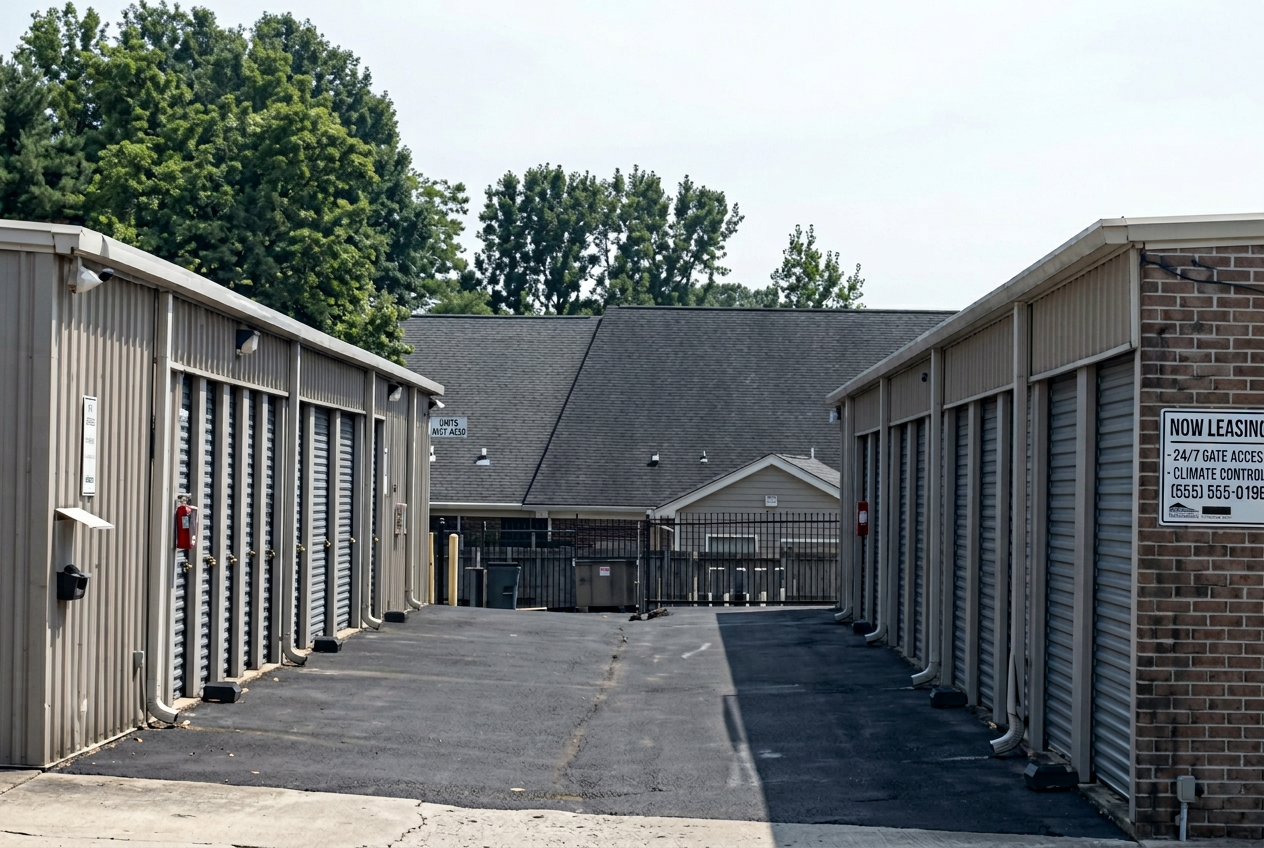
Gate access can make an otherwise suitable RV storage space frustrating to use. Large motorhomes, fifth wheels, and travel trailers need more room to enter than a standard vehicle, especially around keypads, curbs, and turning lanes. Checking the entrance before signing helps owners avoid clearance problems, restricted hours, and difficult departures later.
Is the Gate Wide Enough for the Full RV Setup?
Width should be measured at the narrowest point of the actual opening, not just from fence post to fence post. Mirrors, awnings, ladders, fenders, and slide toppers can extend beyond the main body, while tow vehicles may need even more room to line up correctly. Drivers should compare the gate opening with the RV’s widest fixed measurement and leave extra space for steering corrections.
Approach angle matters because a gate that looks generous from straight ahead may feel tight from a curved driveway. Fifth wheels and longer trailers can track inward during a turn, bringing wheels or body panels closer to posts and curbs. Visiting the property with the RV is one of the clearest ways to judge whether entry feels comfortable rather than technically possible.
Check Overhead Clearance Before Looking at the Parking Space
Height restrictions can appear before the vehicle reaches its assigned RV storage area. Gate arms, signs, lights, security cameras, tree limbs, canopies, and overhead structures may sit lower than the storage space itself. Owners should know the RV’s true height with air conditioners, vents, antennas, solar equipment, and other rooftop accessories included.
Factory specifications are useful, but aftermarket equipment can change the final measurement. Uneven pavement can also raise one end of a long vehicle as it crosses a slope. Enough overhead margin protects roof equipment from contact during normal movement.
Access Hours Should Match Real Travel Habits
Schedules deserve attention before a rental agreement is signed. A facility may have office hours during the day but allow gate entry during a different window, which affects early departures and late returns. Holiday access, weekend rules, and temporary closures should also be understood before choosing among RV storage units.
Travel plans do not always follow business hours. Families leaving before sunrise or returning from a trip after dinner may need access outside a narrow daytime schedule. Asking how entry works after the office closes can prevent an RV from sitting outside the property unexpectedly.
Test the Keypad, Code, and Gate Timing
Keypads should be easy to reach without forcing a large vehicle too close to a curb or gate post. Tall motorhome drivers may need to open a window or door to enter a code, while tow vehicles can place the keypad far behind the driver if the approach is poorly designed. Safe stopping space matters as much as the keypad itself.
Gate timing deserves a practical test because long combinations take more time to pass through. Automatic arms or sliding gates should remain open long enough for the motorhome or trailer to clear without rushing. Sensors should detect the full vehicle, and renters should know what to do if the gate begins closing unexpectedly.
Turning Space Inside the Property Matters Too
Entry is only the first part of the route. Wide drive aisles, gradual corners, and clear intersections make it easier to move long vehicles toward their assigned storage units without repeated backing. Parked trailers, landscaping, bollards, drainage areas, and building corners can reduce the useful turning radius.
Rear overhang changes how a motorhome swings through a corner, while trailer wheels follow a tighter path than the tow vehicle. A driver may clear an obstacle at the front yet bring the rear section dangerously close to it. Walking the complete route can reveal these trouble spots before move-in day.
Learn What Happens if Gate Access Fails
Electronic gates can occasionally stop working because of power loss, damaged equipment, network problems, or maintenance. Renters should ask how the facility handles those situations and whether an emergency contact is available during access hours. Clear procedures matter when a trip depends on retrieving an RV at a specific time.
Backup access should never be assumed. Some facilities may have staff procedures for outages, while others may temporarily restrict entry until repairs are complete. Knowing the policy helps owners decide whether the location fits frequent travel or long-term RV storage.
Review the Exit Route Before Signing
Departure needs the same attention as arrival. Drivers should check whether the exit uses the same gate, whether there is enough room to straighten the vehicle, and whether traffic outside the property creates a difficult turn. Steep driveways, narrow shoulders, or limited sightlines can make leaving harder than entering. This simple check can prevent avoidable maneuvering problems during future visits.
Storage Partner has storage options for motorhomes, travel trailers, fifth wheels, and other recreational vehicles. Customers comparing storage units near me can review available RV storage units, gate access, space dimensions, and property layout before committing, helping them choose a location where entering and leaving fits the size and handling needs of the vehicle.