
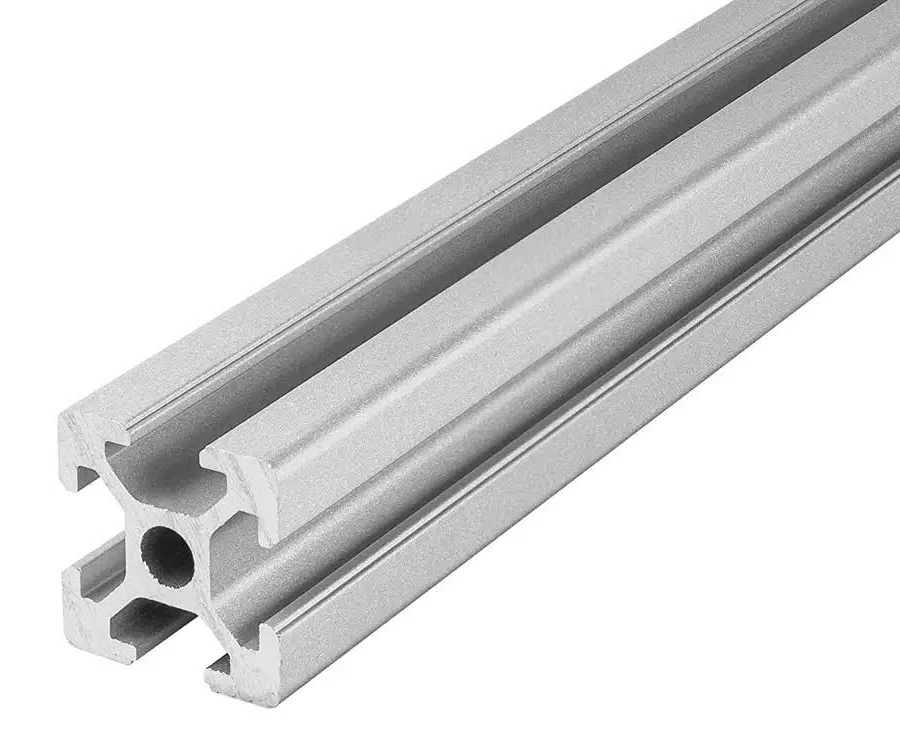
Assembly time depends on the size of the frame, the number of accessories, and how well the parts are prepared before work begins. A small workstation may come together in under an hour, while a guarded machine enclosure or conveyor support can take several hours or more. The real advantage of an aluminum framing kit is that it reduces cutting, welding, repainting, and long setup delays when the system is planned correctly.
What Affects the Assembly Time First?
Project size usually sets the first time estimate. A basic bench frame with four legs, cross rails, and leveling feet may take one installer about 30 to 90 minutes if the pieces arrive cut and labeled. A larger frame with doors, panels, casters, shelves, and electrical mounting points can take half a day or longer because each added part needs alignment, fastening, and checking.
Design complexity matters just as much as size. Straight square frames move quickly because the builder repeats the same connections. Custom guards, angled braces, sliding doors, access windows, and multiple panel sections take more time because the installer must confirm spacing, clearance, and fit at each step.
Precut Profiles Can Save a Lot of Shop Time
Prepared parts make the biggest difference in speed. With MiniTec extruded aluminum framing, profiles can be cut to exact lengths before they reach the jobsite, which helps reduce measuring errors and wasted material. Clean, accurate cuts also help the frame sit square without forcing the installer to correct uneven ends during assembly.
Factory machining can remove more delays. Tapped holes, access ports, counterbores, and drilled mounting points allow connectors to fit without extra fieldwork. That preparation is especially helpful with an extruded aluminum T slot system because the slots already provide flexible mounting points, while machined ends handle the joints that need stronger or cleaner connections.
Simple Frames Often Go Together Faster Than Expected
Small aluminum structures usually assemble quickly because the work follows a clear pattern. Installers lay out the aluminum framing material, insert the proper fasteners, connect the corners, square the frame, and tighten the bolts. Once the first side is built, the remaining sides often move faster because the same process repeats.
Light-duty carts, display stands, worktables, and sensor mounts are good examples. These builds may not require panels or doors, so most of the time goes into checking alignment and tightening hardware. A well-packed aluminum framing kit with labeled profiles and matching fasteners can help one person finish a small project without specialized equipment.
Larger Builds Take More Time Because Details Multiply
Industrial frames usually need more planning during assembly. Machine bases, perimeter guards, test stands, and conveyor frames may include heavier profiles, multiple connection points, and accessories that must line up with equipment. Each opening, bracket, and support rail adds a small amount of time, but those minutes add up across a full structure.
Panel installation can also slow the process. Polycarbonate, wire mesh, sheet metal, or composite panels must fit into the frame without bowing or rattling. Doors need hinges, handles, latches, stops, and proper gaps so they open smoothly. That extra hardware often takes longer than the main T slot extrusion frame itself.
Installer Experience Changes the Timeline
Experienced builders usually move faster because they know how to stage parts before tightening everything fully. They often leave joints slightly loose until the frame is squared, then lock the structure in place after checking measurements. This habit prevents the common problem of tightening one side too soon and pulling the frame out of alignment.
Newer installers may spend more time identifying fasteners, reading drawings, and correcting small mistakes. That does not mean the system is difficult; it simply means the first build takes longer than the next one. After a team understands how T slot aluminum extrusion components fit together, repeated assemblies become much more predictable.
Tools Needed Are Usually Basic
Standard hand tools handle many aluminum framing projects. Hex keys, torque wrenches, measuring tapes, levels, squares, rubber mallets, and clamps cover most assembly tasks. Unlike welded steel frames, this type of structure does not require hot work, grinding, painting, or long cooling periods.
Power tools may speed up larger jobs, but they should be used with care. Over-tightening bolts can damage threads or distort brackets, while uneven tightening can shift the frame. Proper torque and a steady assembly sequence help the finished structure stay square, stable, and ready for panels or equipment.
How Packaging and Documentation Help Avoid Delays
Clear documentation can cut hours from a complicated build. Drawings should show profile lengths, connector locations, hardware types, and assembly order. A complete parts list also helps installers confirm that the shipment includes everything before the first rail is joined.
Organized packaging makes the job smoother. Numbered profiles, separated fastener bags, and labeled accessories reduce time spent searching through boxes. MiniTec Aluminum Framing systems are often selected for modular builds because compatible components can be planned, packed, and assembled with fewer surprises than mixed or improvised materials.
Modifications Are Faster Than Rebuilding From Scratch
Changes during or after assembly are common in industrial settings. A sensor may need to move, a panel may need a new access point, or a guard may need extra clearance after equipment is installed. The benefit of a T-slot frame is that many parts can be repositioned without cutting the structure apart.
Adjustability saves time beyond the first build. Workers can loosen a bracket, slide a mount, add a rail, or replace a panel section while keeping most of the frame intact. For companies comparing build time, long-term flexibility often matters as much as the first assembly schedule.
Getting the Right Kit Makes the Timeline More Predictable
Accurate estimates start with a complete design, properly sized profiles, compatible connectors, and clear assembly information. A simple kit may take less than an hour, while a complex enclosure may require a full shift depending on accessories and installer experience. MiniTec Solutions supports businesses that need MiniTec Aluminum Framing, aluminum framing material, and complete kit components designed to help projects assemble faster, fit better, and adapt when production needs change.